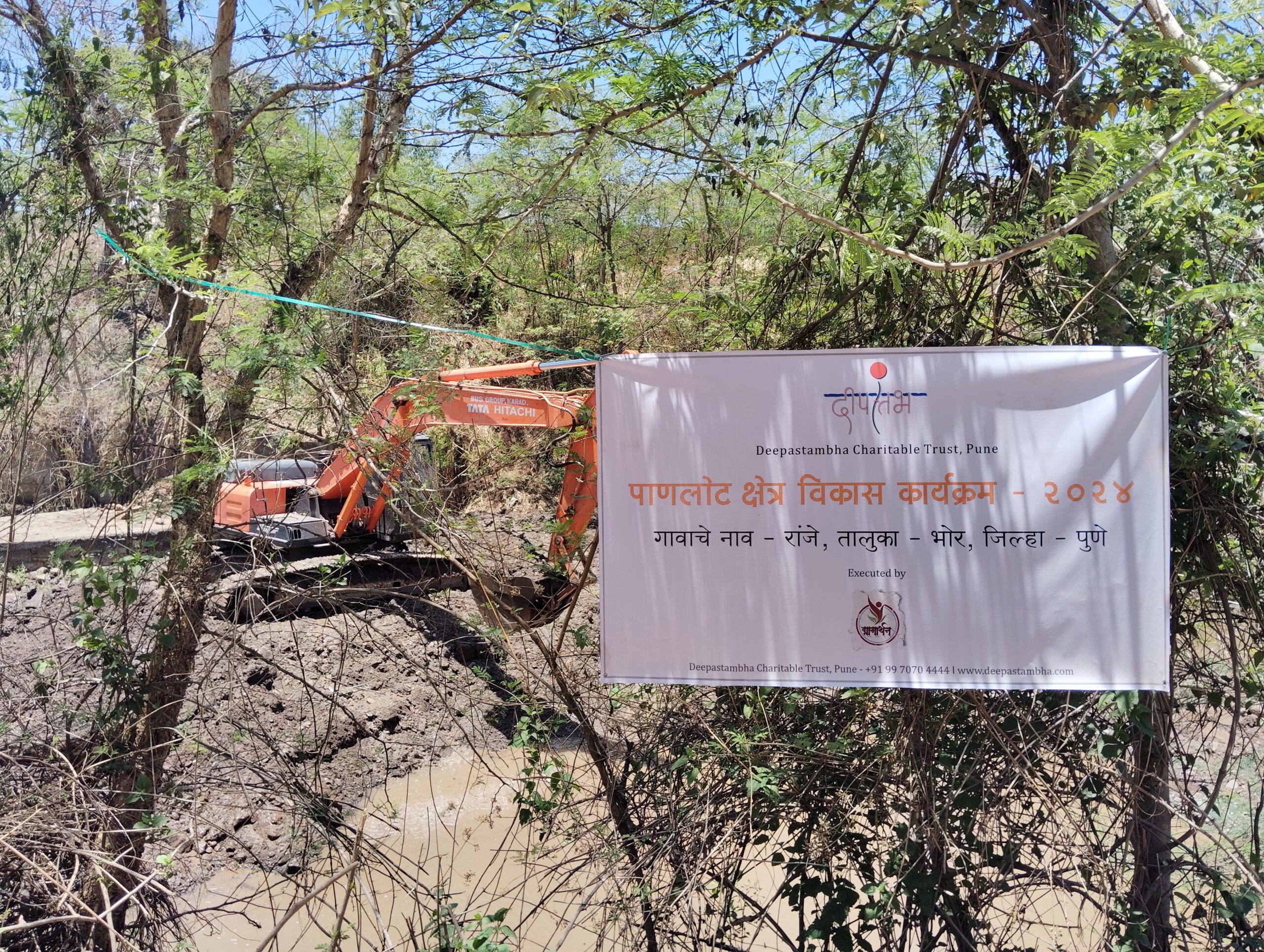
Project Name: - Watershed Management Project – De-seating of Cement Nala Bandh
Village Details 
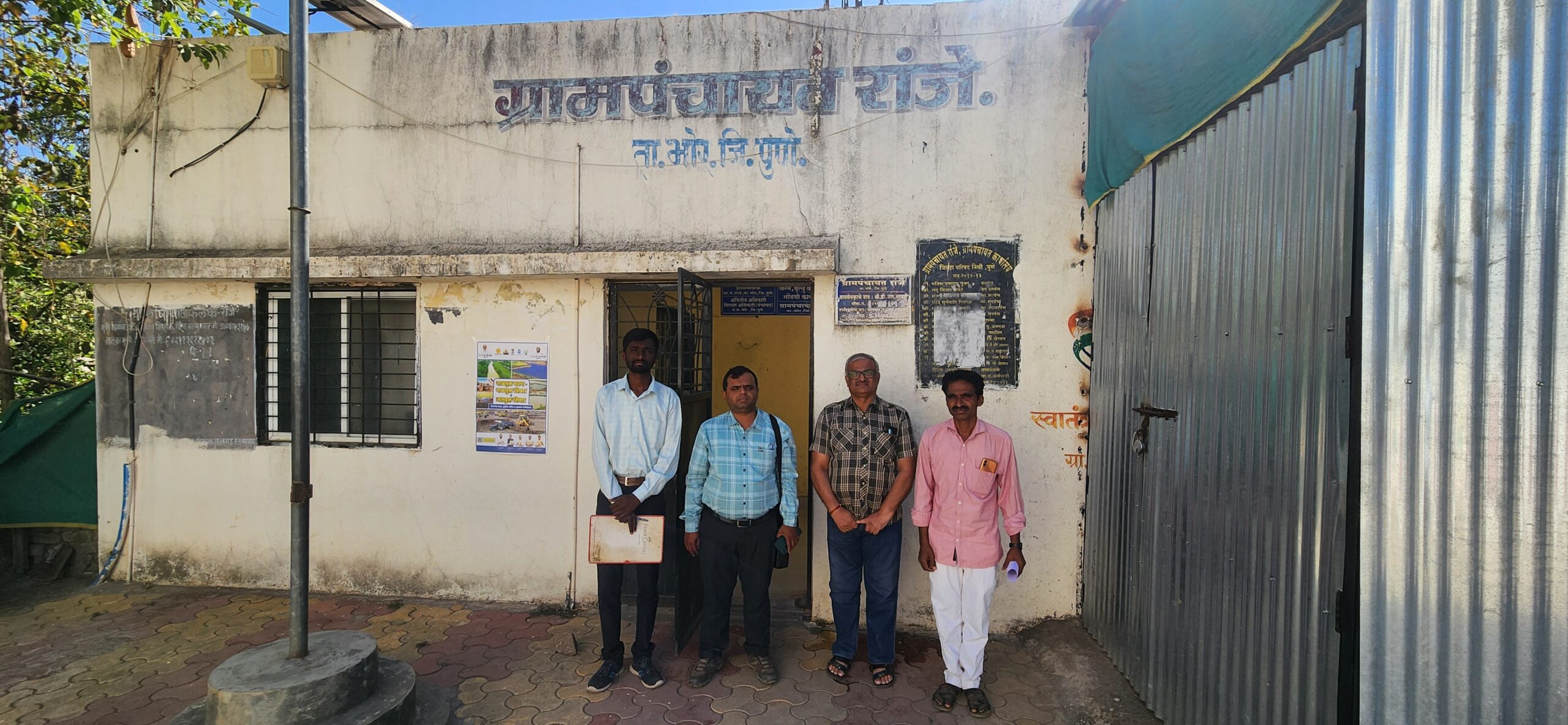
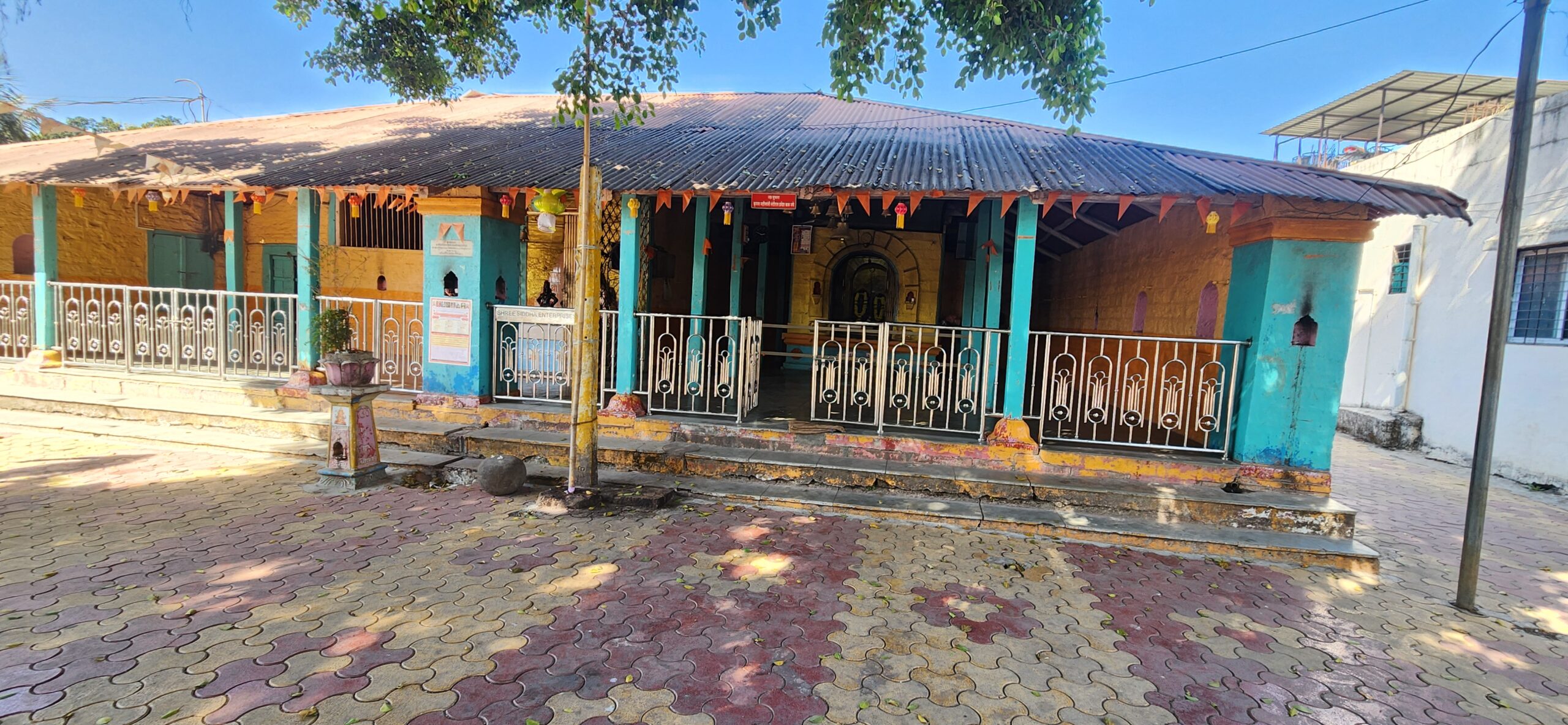
Village Name – Ranje Tal- Bhor; Dist – Pune Pin code – 412205
Project details
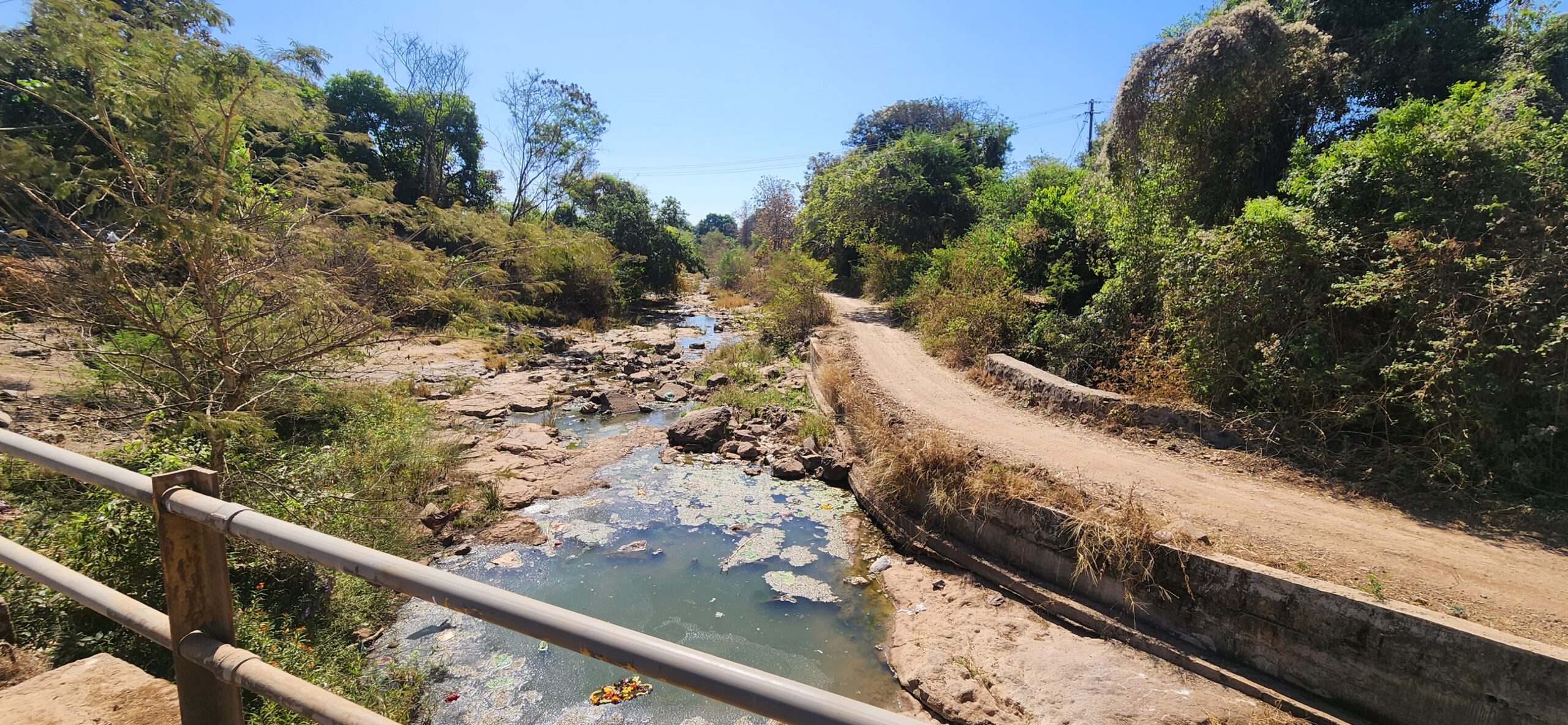
Ranje village, located in Bhor Tehsil of Pune district, lies about 35 km from Bhor and 60 km from Pune city. Known for its fertile land, the village relies heavily on agriculture. However, heavy monsoons cause severe soil erosion and sedimentation in the Shiv Ganga River, increasing the risk of floods and degrading water quality. Post-monsoon, water scarcity becomes a critical issue, with wells and borewells drying up by January.

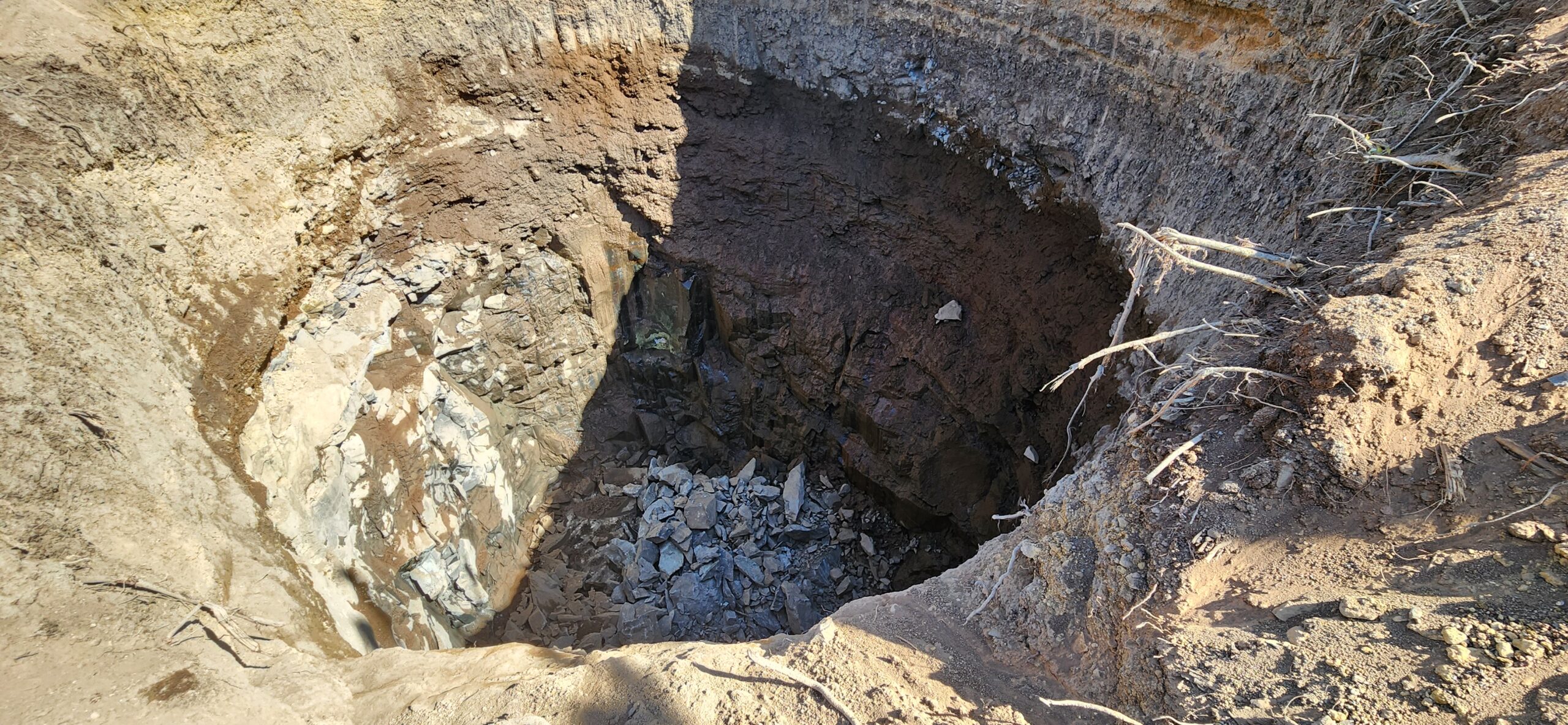
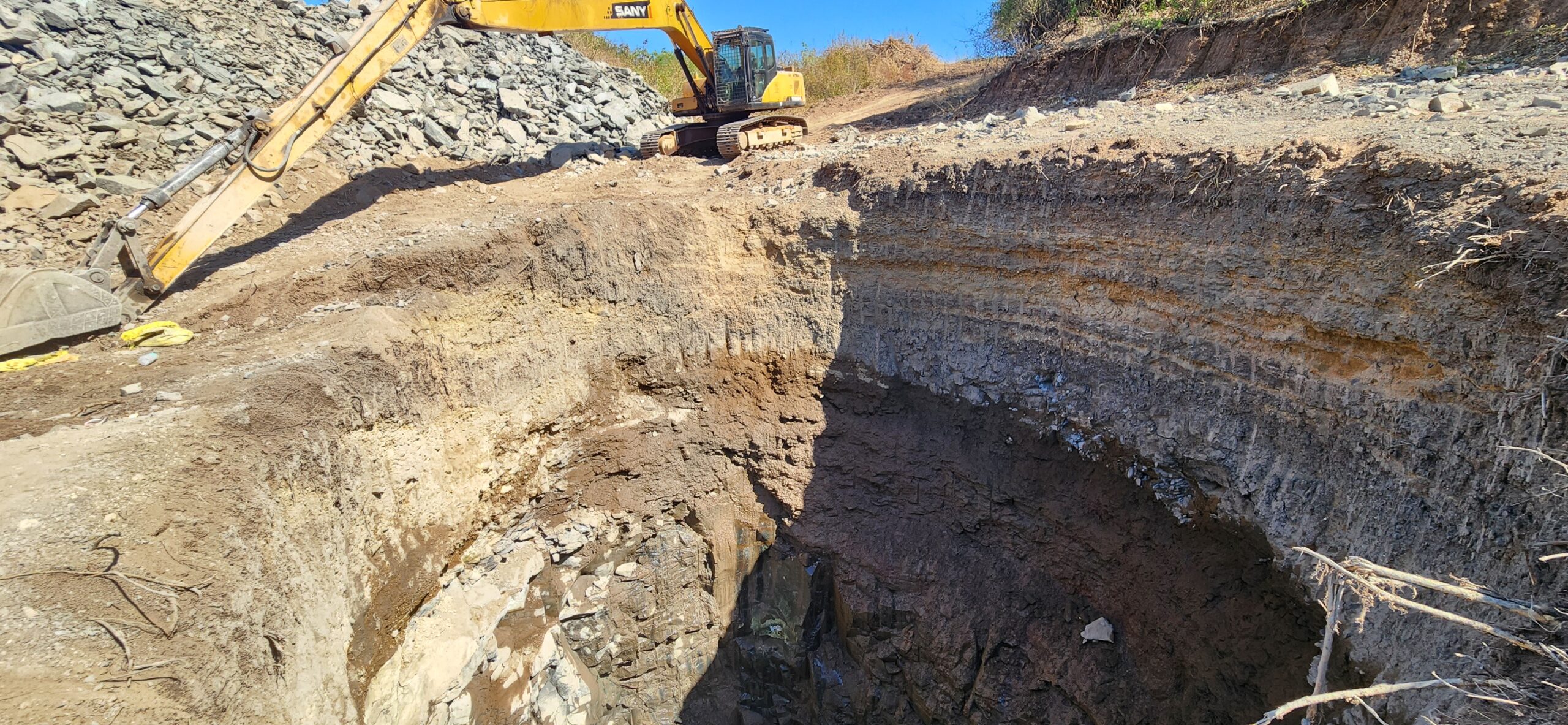
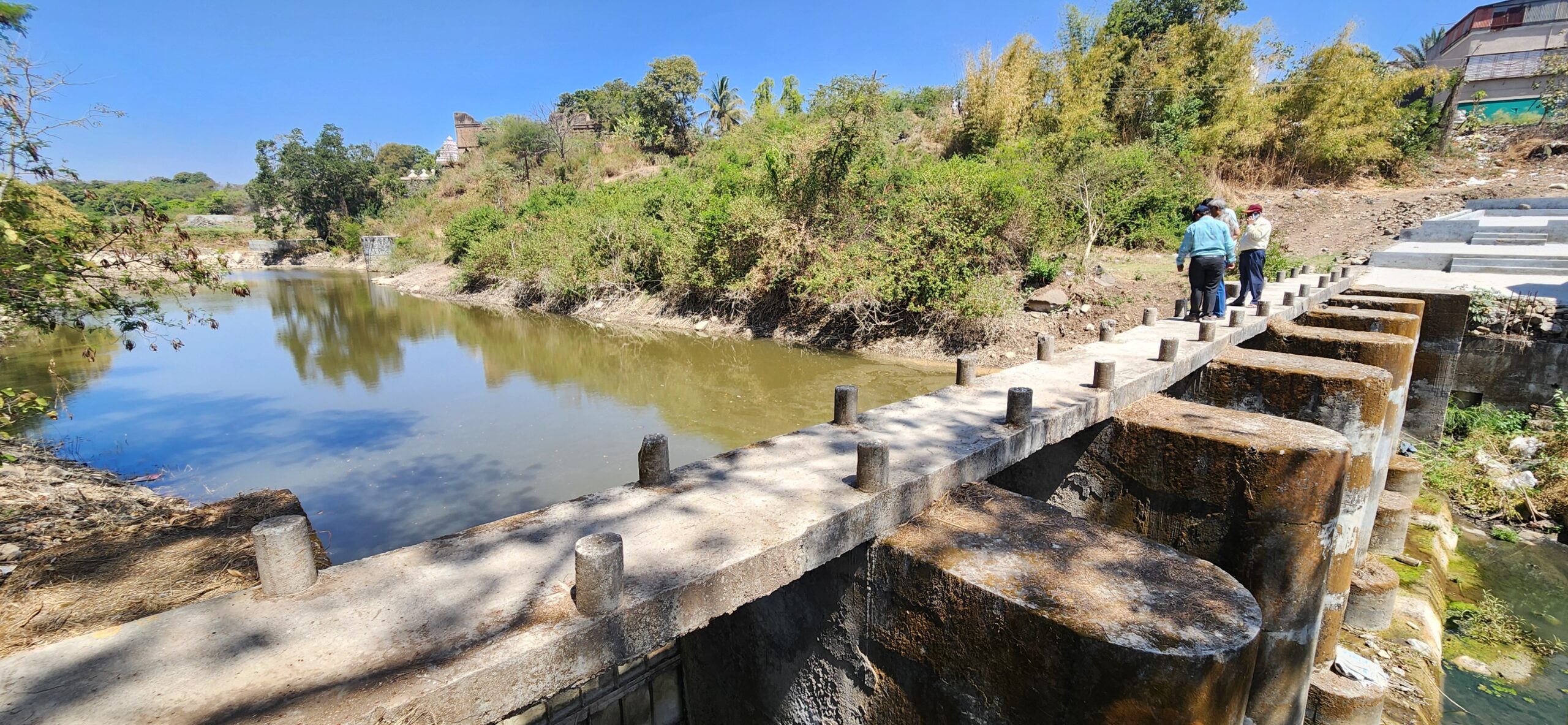
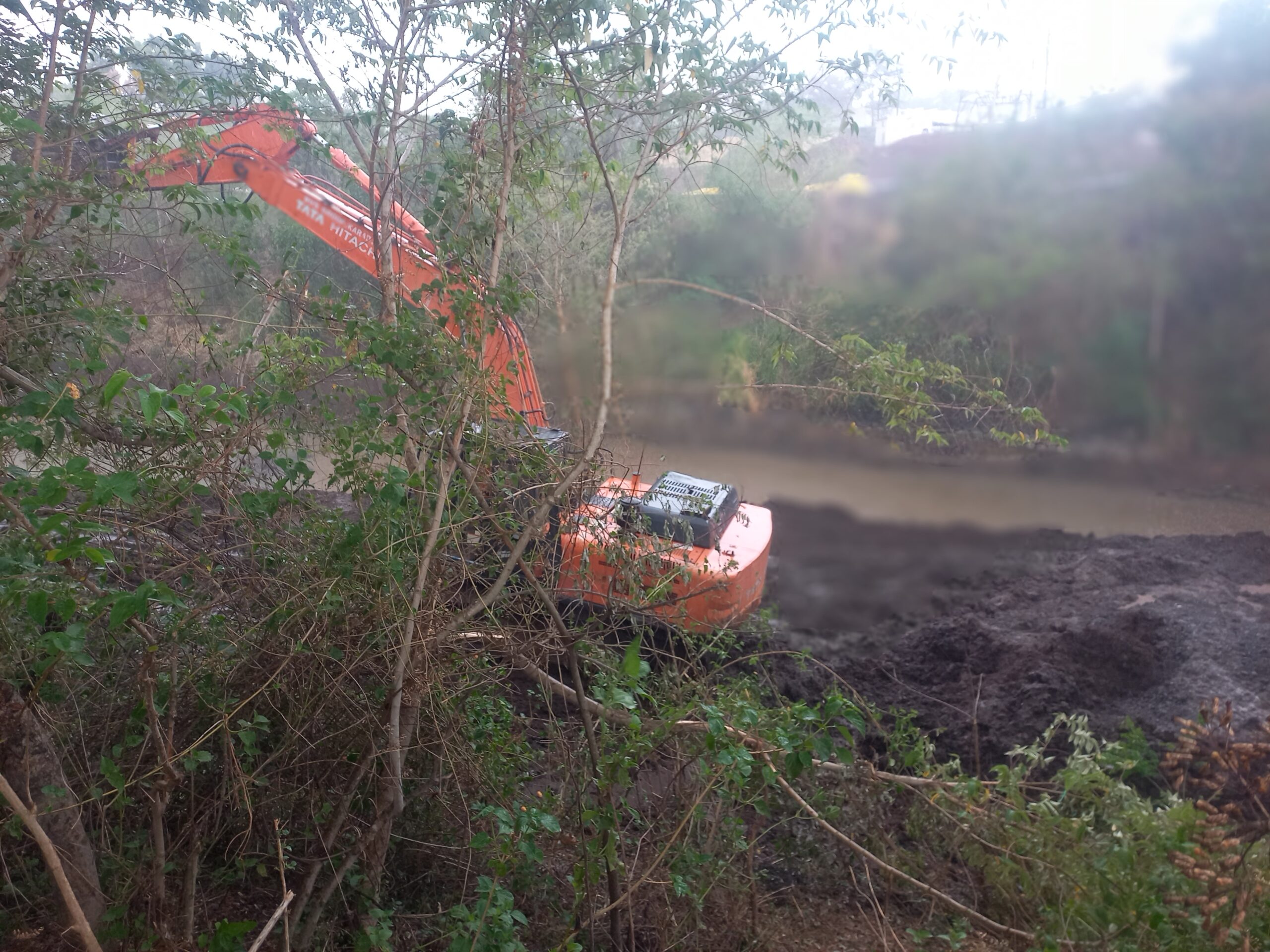
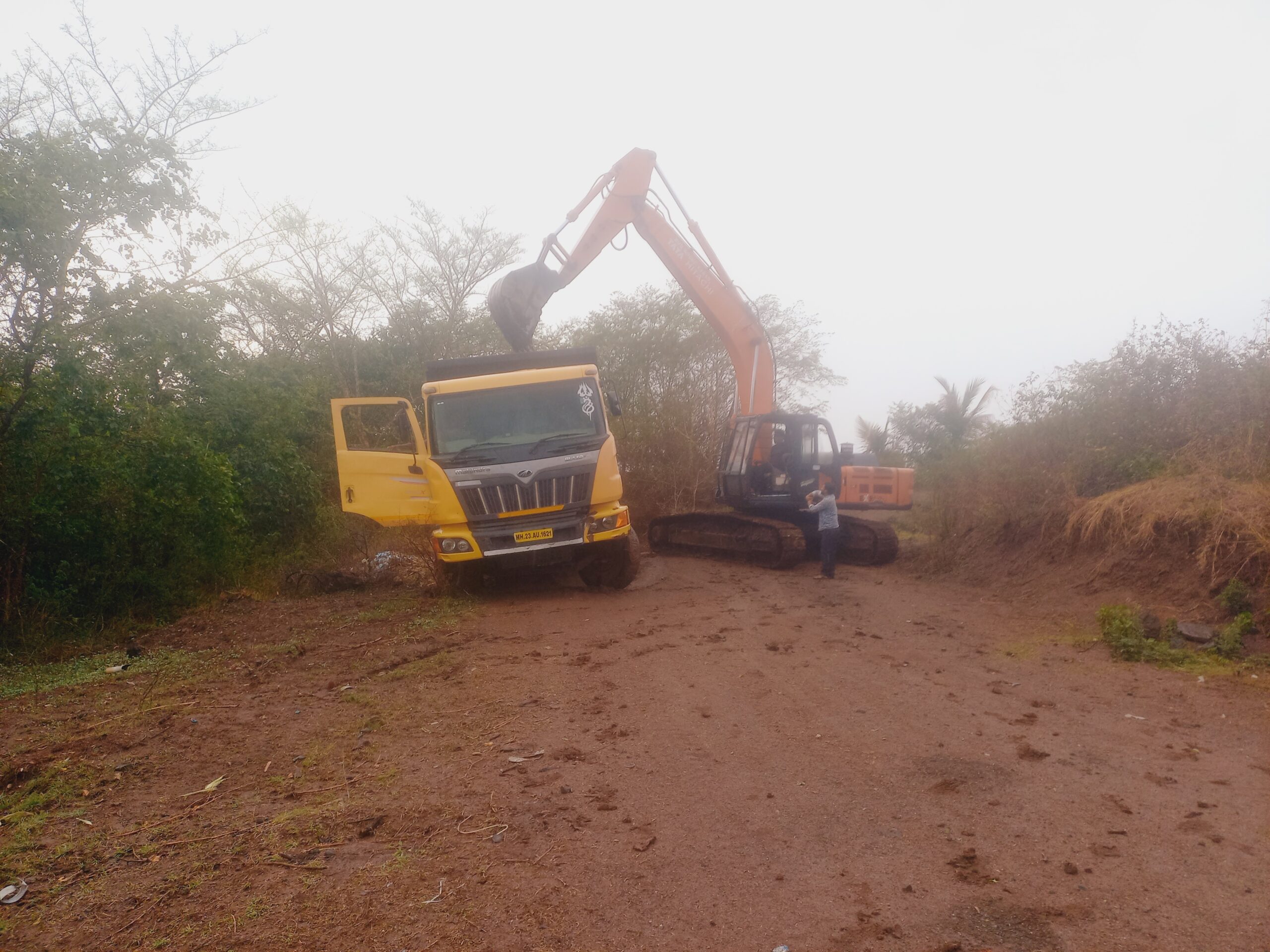
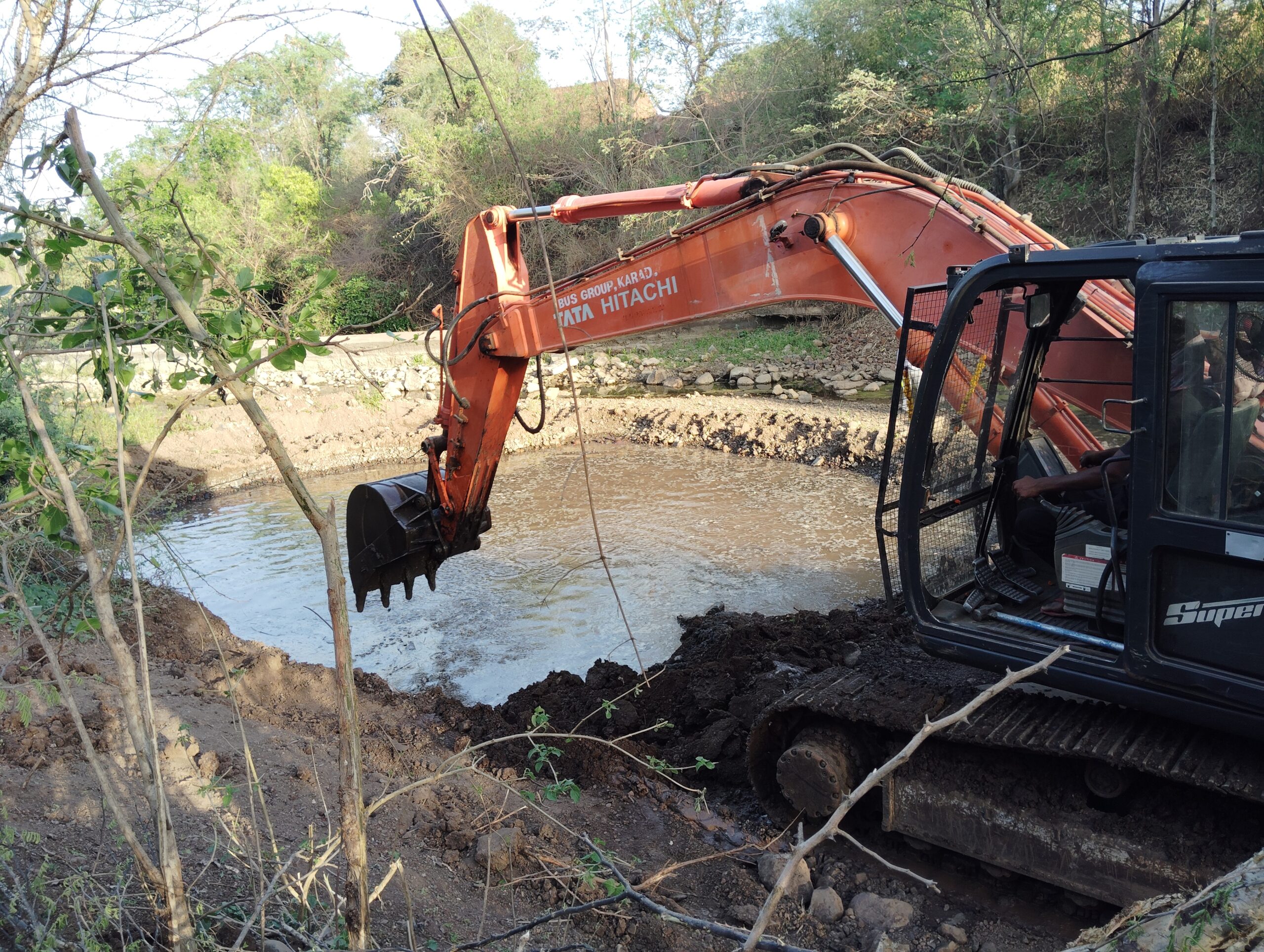
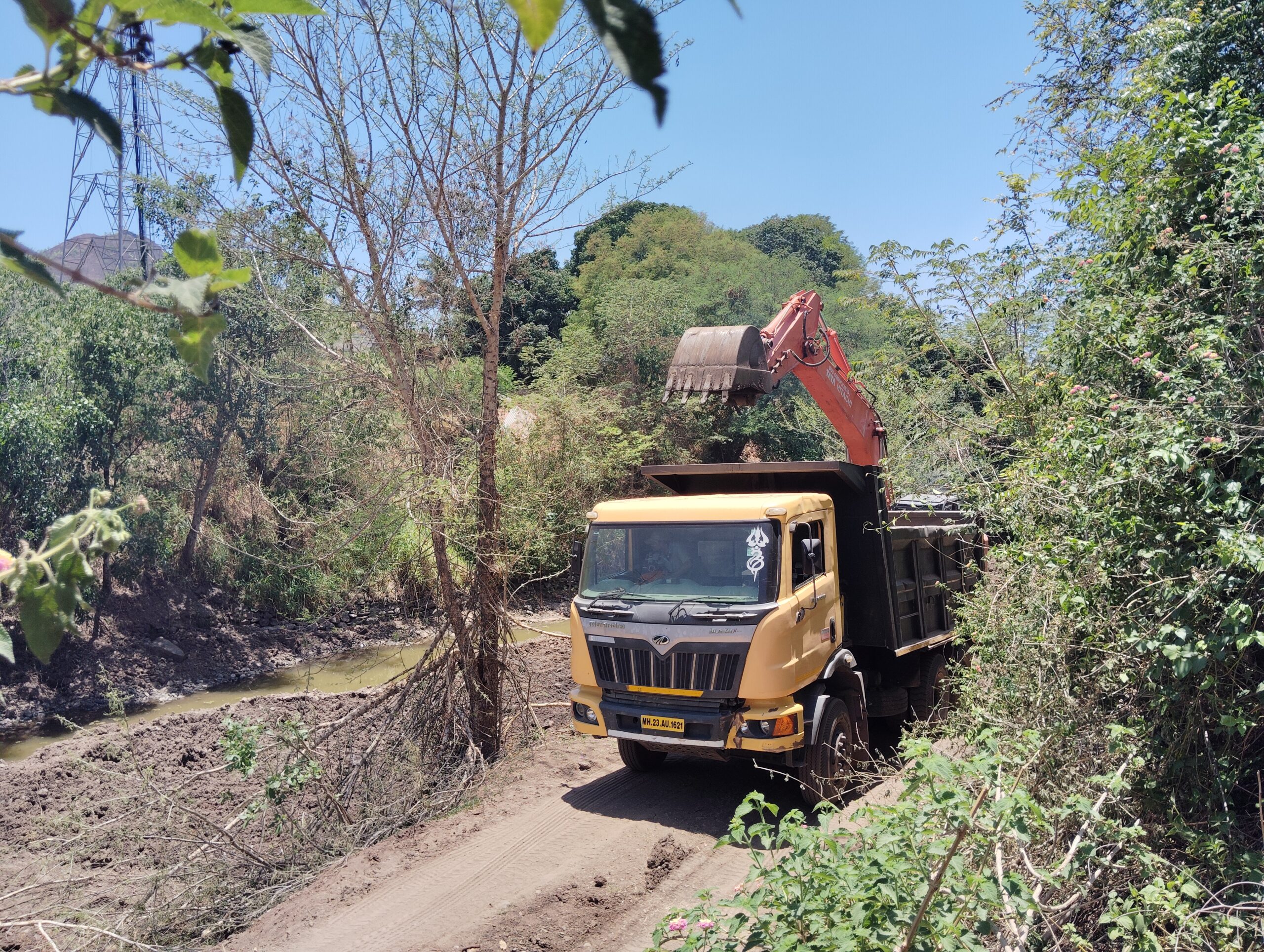
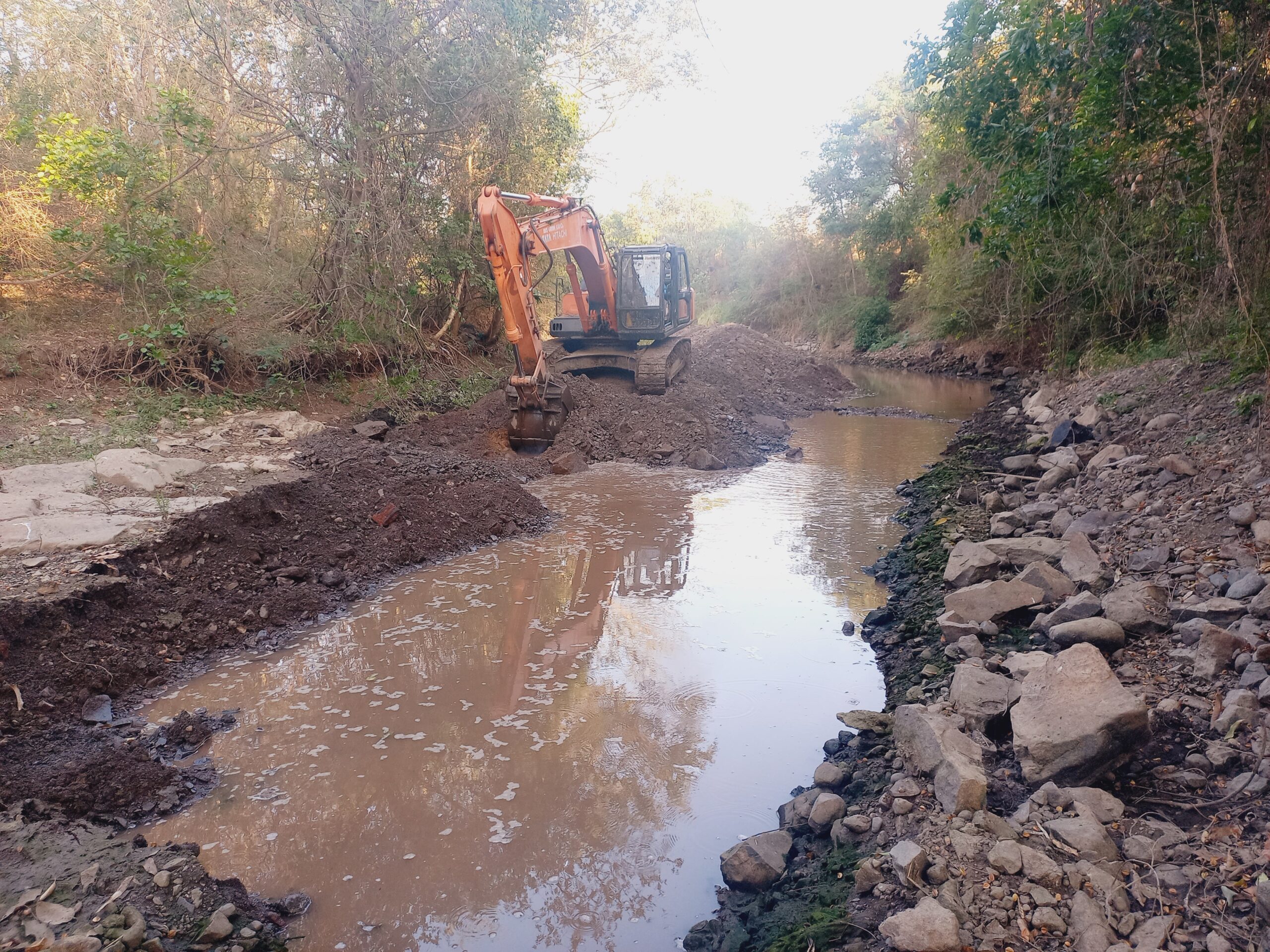
In response, the community approached Deepastambha Charitable Trust (DCT), which identified the Shiv Ganga watershed for intervention. With financial support from R. M. Tulpule Charitable Trust, a comprehensive desilting project was implemented with objectives including increasing dam capacity, preventing erosion, conserving water, and building farm roads using the removed silt of two cement nala bandh.
Impact
The desilting project in Ranje village, carried out in June, 2024, resulted in significant environmental and agricultural benefits. approximately 30,800 cubic meters of silt were removed from the Shiv Ganga watershed, effectively increasing the water-holding and recharge capacity by 30.8 million litres. This has greatly improved groundwater recharge, addressing the village’s recurring water scarcity during the dry months. The removed silt was efficiently reused—one farm road was constructed, ten farmers enriched their fields, and two companies utilized it for landfilling. Additionally, the stone pitching of the dam area helped manage water flow and prevent erosion, while disturbed farmlands were levelled, tilled, and secured with boundary structures. These efforts not only enhanced irrigation potential and water availability for agriculture but also contributed to flood prevention, soil conservation, and long-term water security for the village, setting a replicable example of community-driven watershed management.

Beneficiaries
2500+ Villagers, farmers
Sponsored By
Deepastambha Charitable Trust (DCT), Pune
Project Executed By
R. M. Tulpule Charitable Trust, Pune
Execution Period
May – June 2024

Case study on desilting in Ranje village, Bhor Taluka, Pune district, Maharashtra.

Background 

Maharashtra’s Drought History 

Maharashtra, a state in India, faces recurring droughts, particularly in certain regions. Here are the key points based on long-term rainfall data analysis: 

Ranje Village: A Beacon of Hope 

Ranje village, nestled in Bhor Tehsil of Pune district, exemplifies resilience. Despite facing water scarcity, the community took proactive steps. The desilting project in Ranje serves as a model for other villages, showcasing how local action can contribute to sustainable water management. 
LOCATION AND CONTEXT 

Located approximately 35 km from Bhor Taluka and 60 km from Pune city, Ranje relies heavily on agriculture due to its fertile soil. Despite its agricultural potential, Ranje faces over six months of rainfall, leading to soil erosion and sedimentation in the Shiv Ganga River. This sedimentation poses flood risks and degrades water quality. 

WATER SCARCITY ISSUES 

After the monsoon season, groundwater levels decrease significantly, affecting both drinking water supply and agriculture. By January, well and borewell water becomes severely insufficient. 

COMMUNITY ACTION 

In response to these challenges, the Ranje village community sought assistance from DCT. DCT identified the Shiv Ganga watershed as the focus area for desilting efforts. DCT also requested funding from RMT for the project. 

PROJECT OBJECTIVES

IMPACT

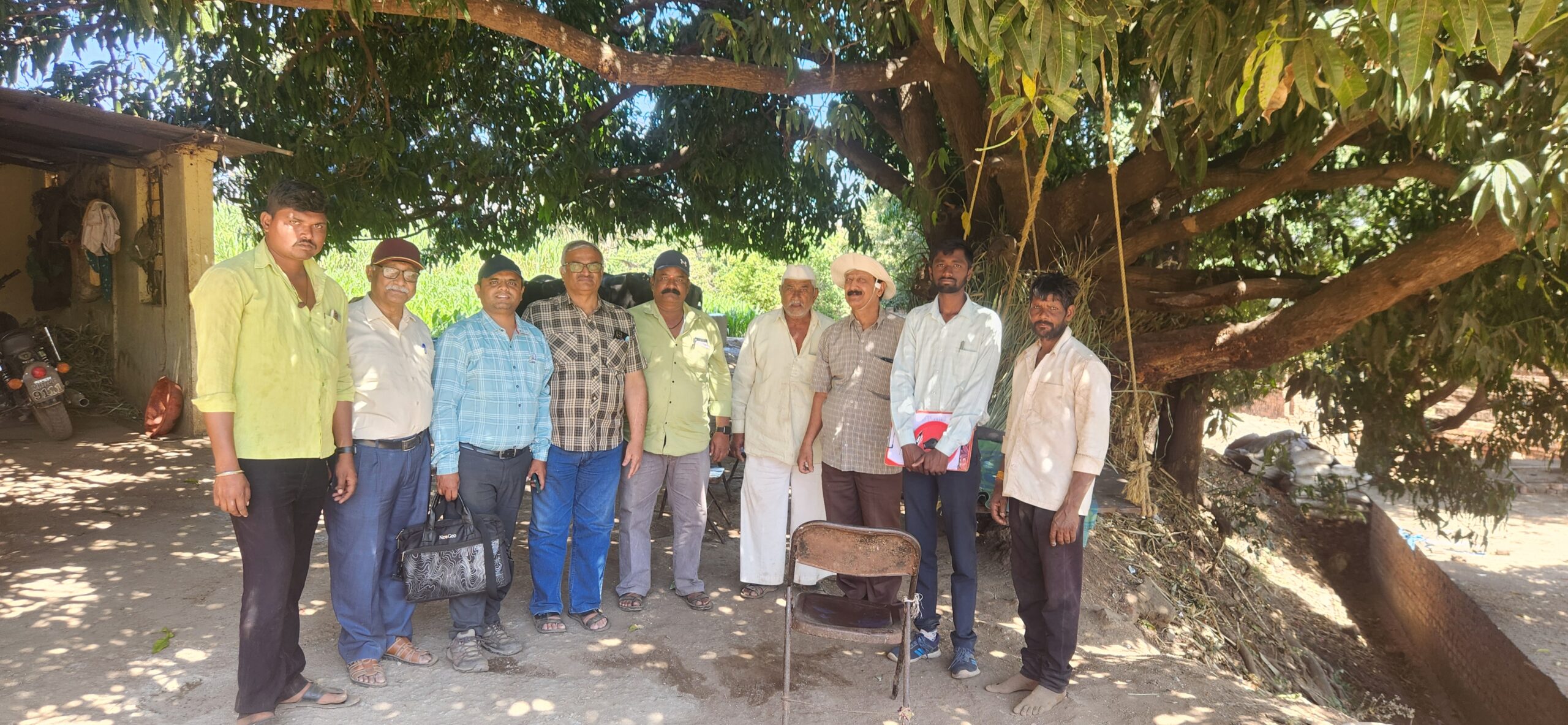
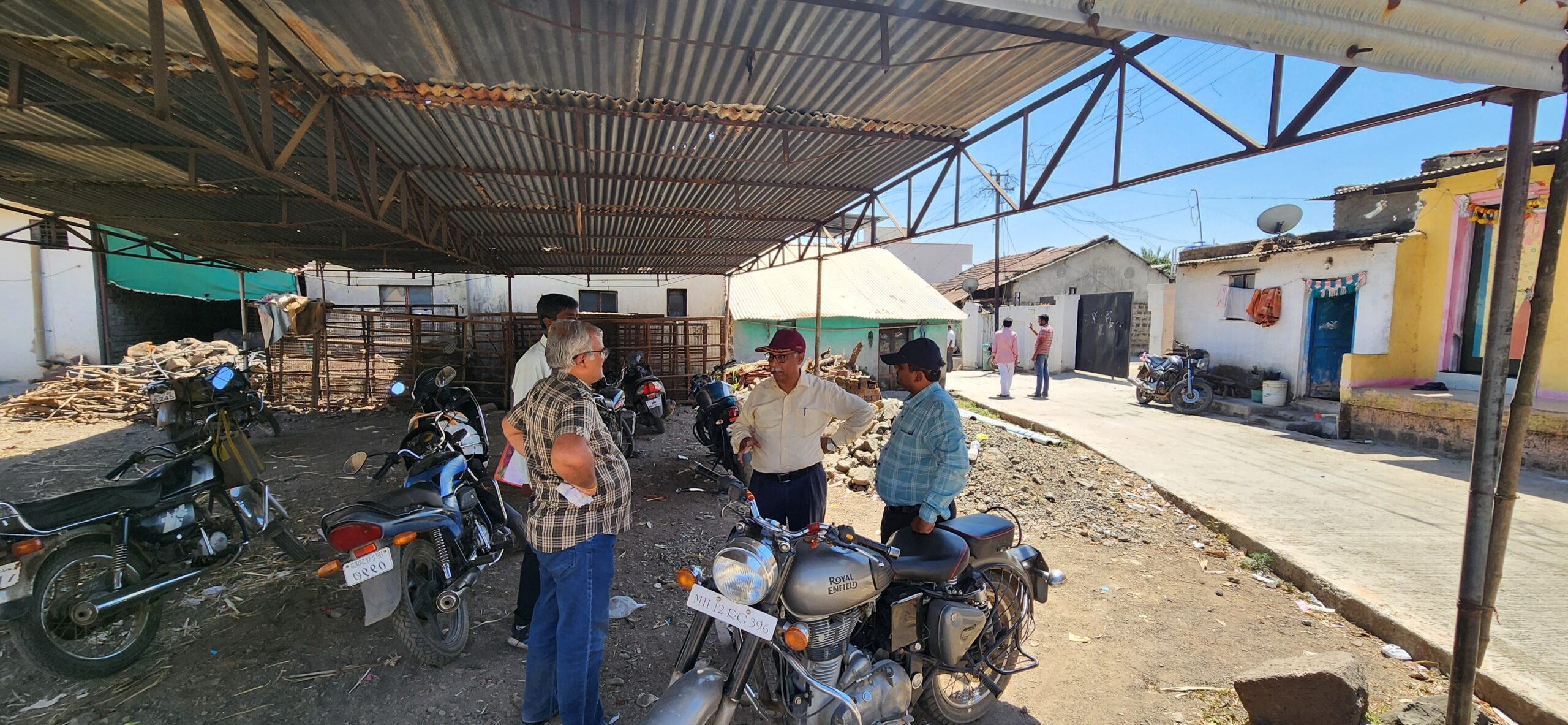
2024-03-13 - DCT Team Primery Visit, Site Recce, Shivar Pheri

2024-04-30 to 2024 -05-11
Site Exicution Work

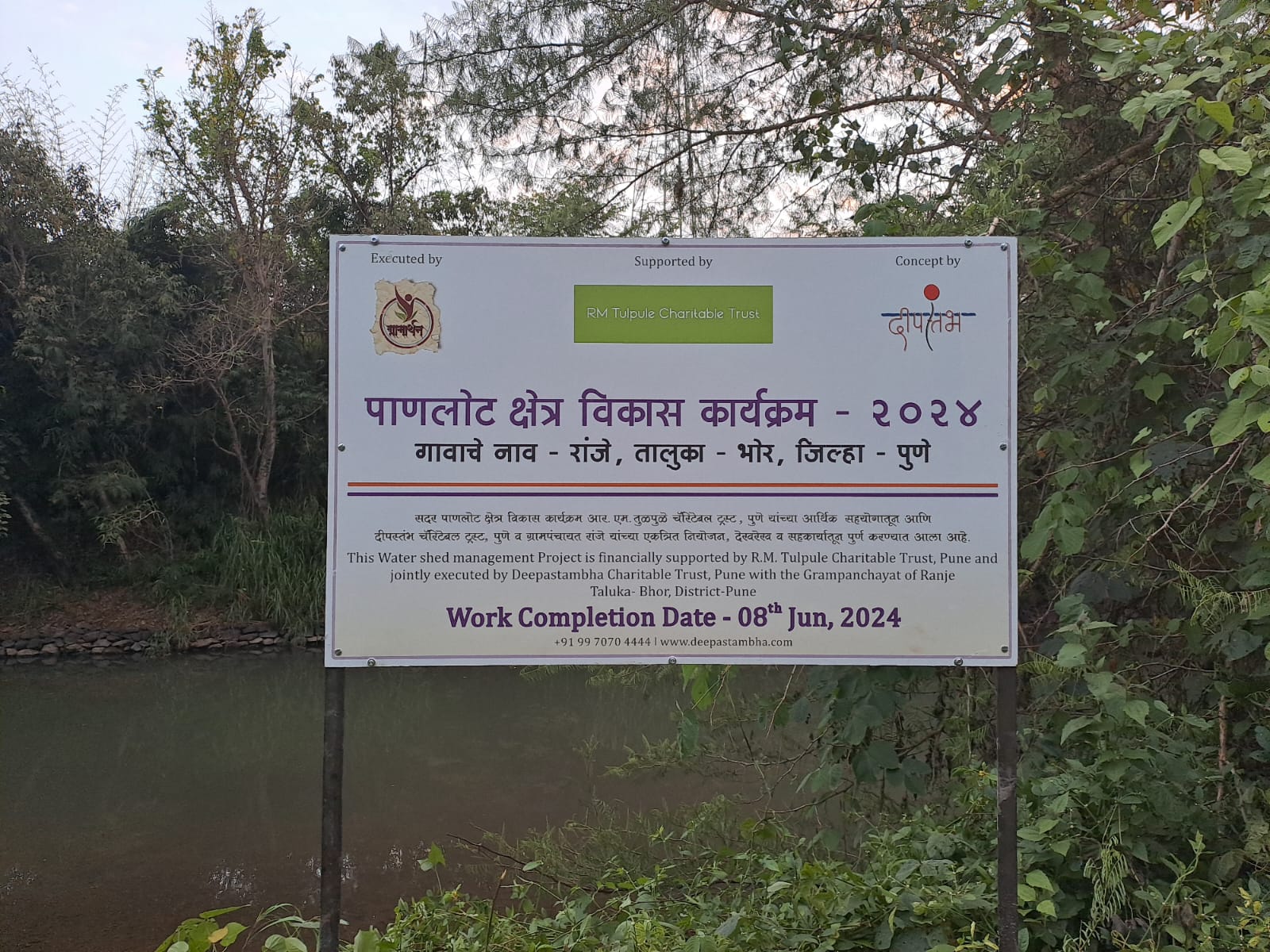
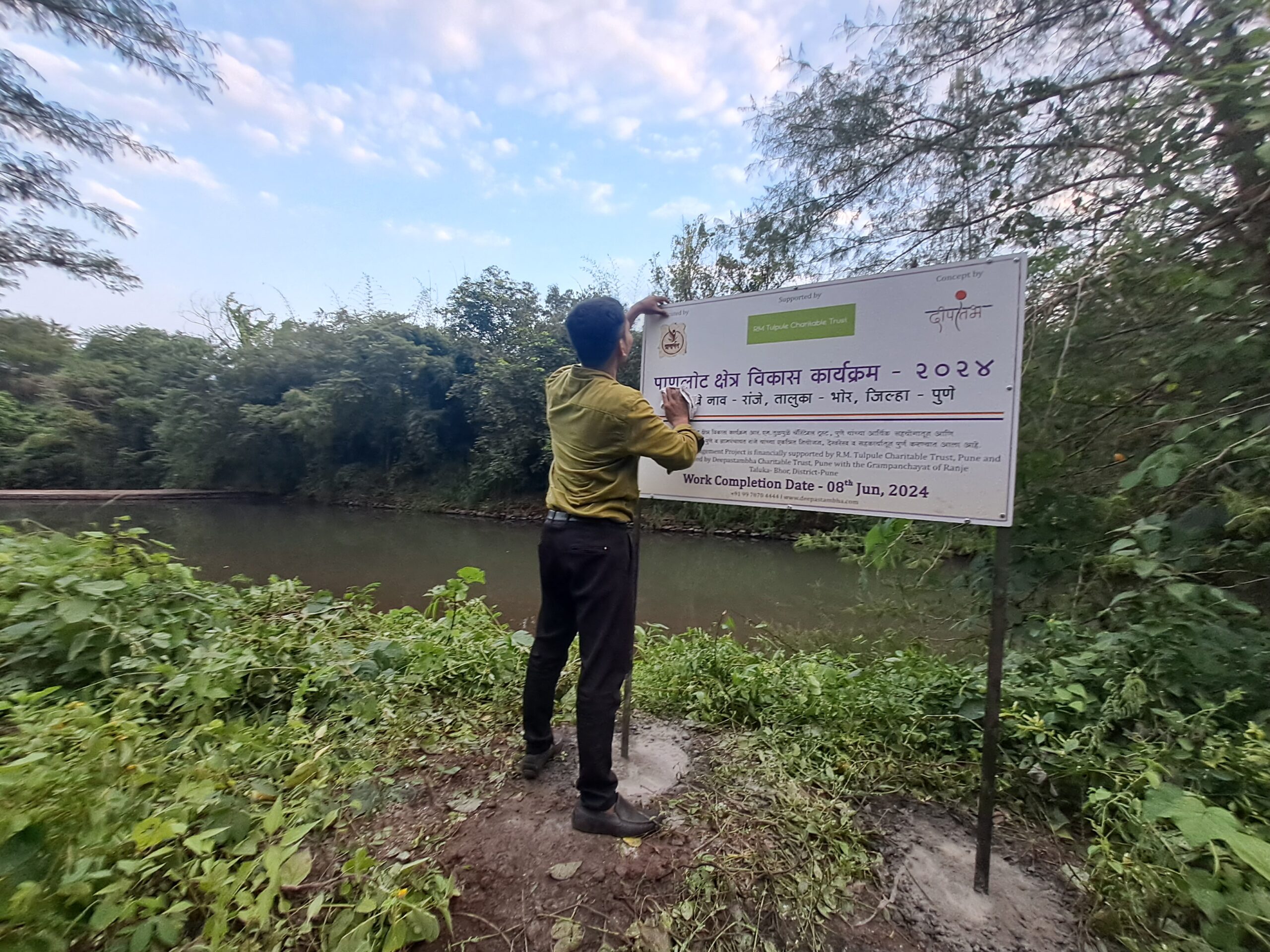
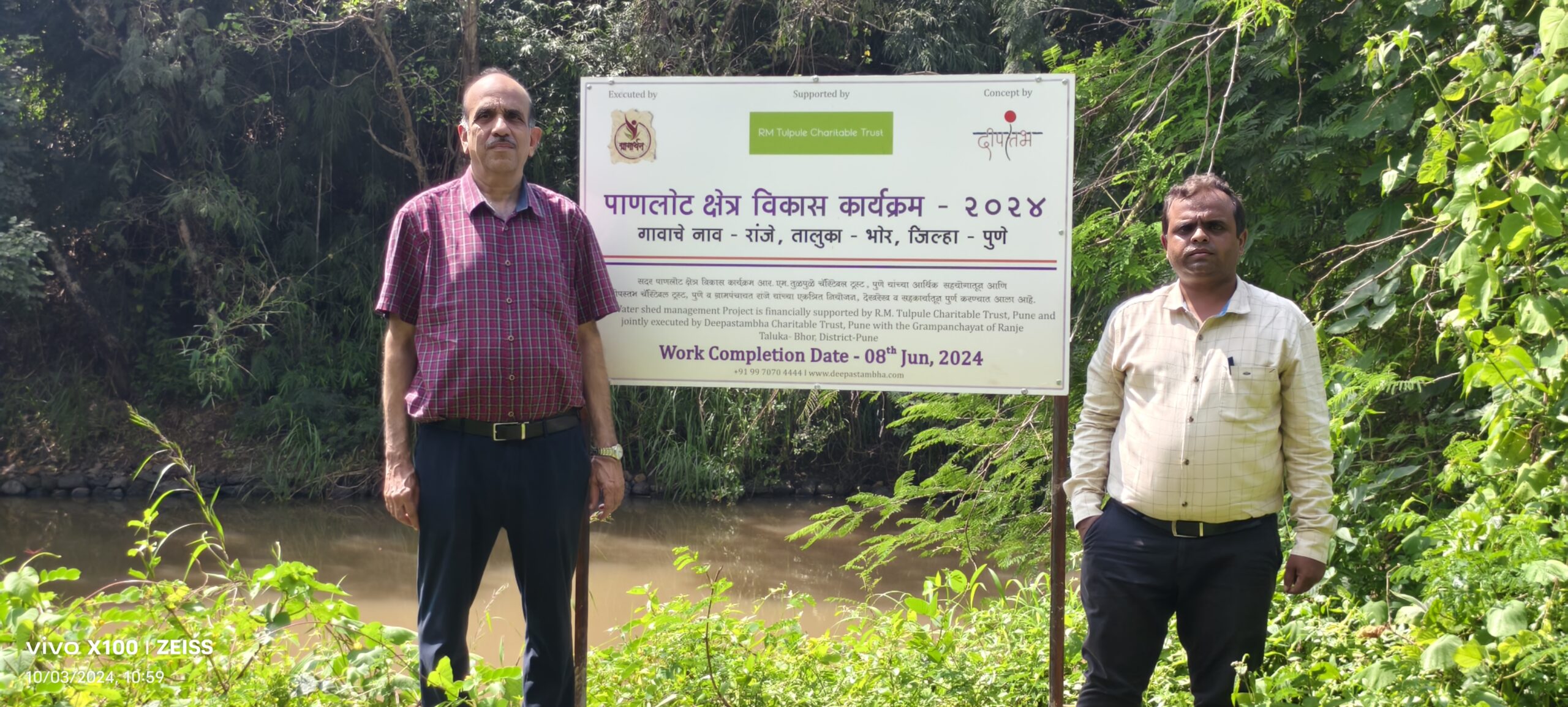
2024-09-19 - Board Installation

2024-10-03
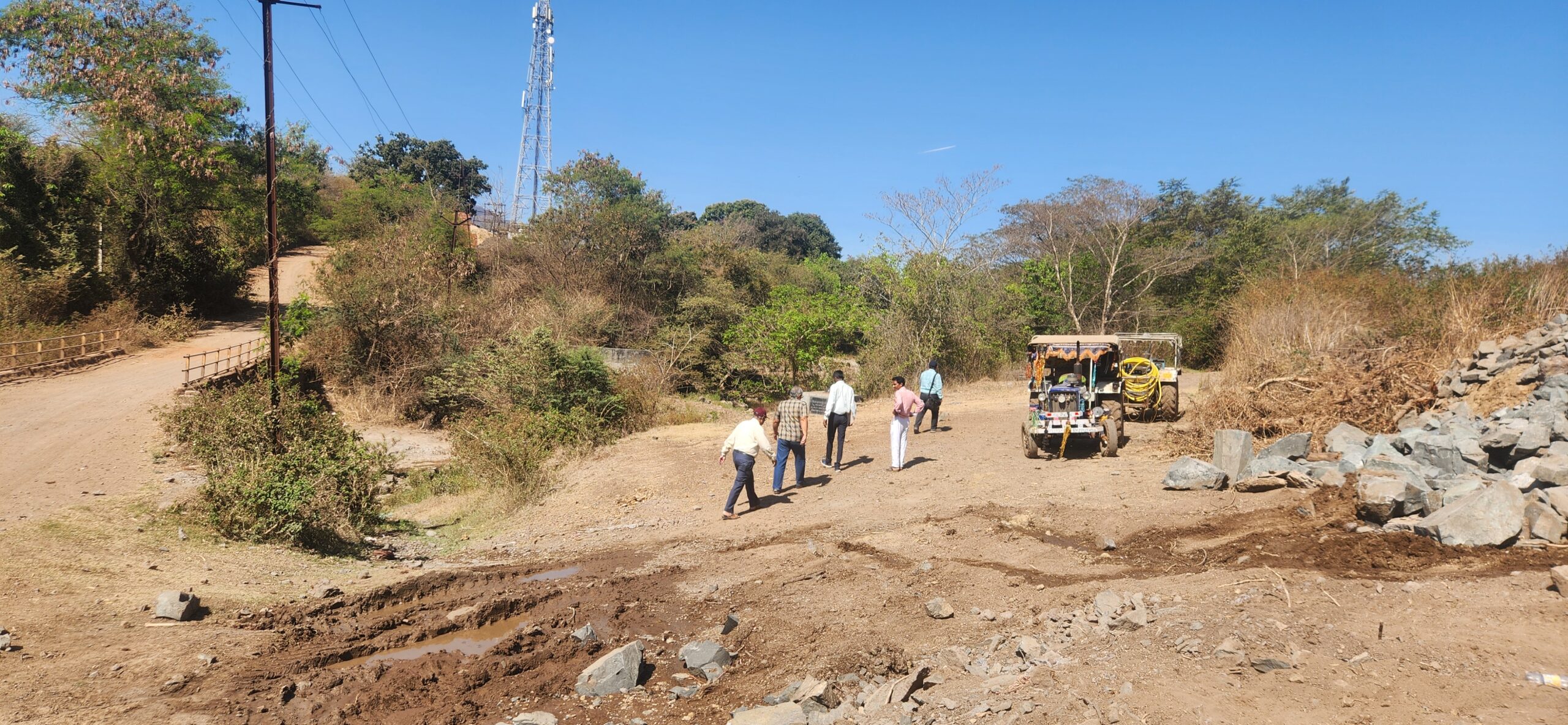
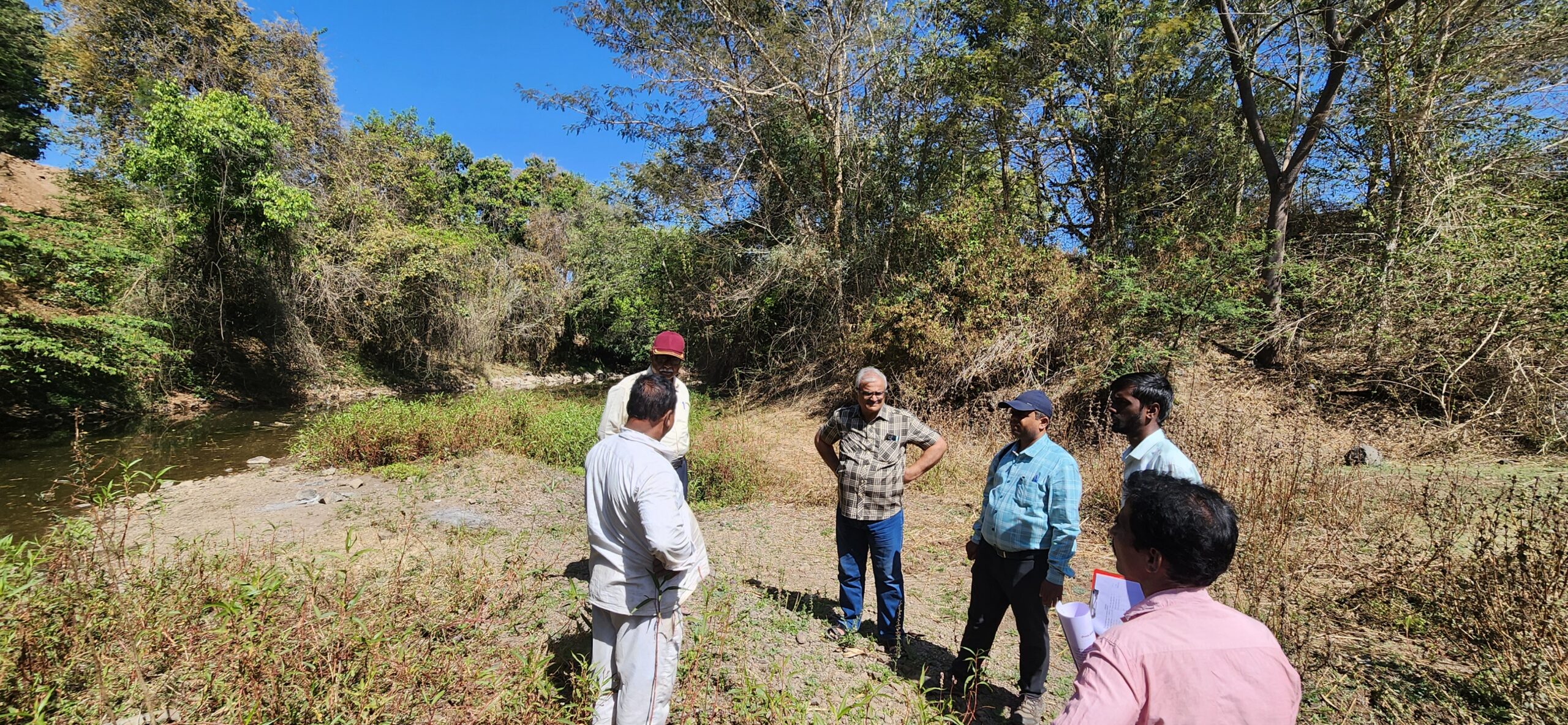
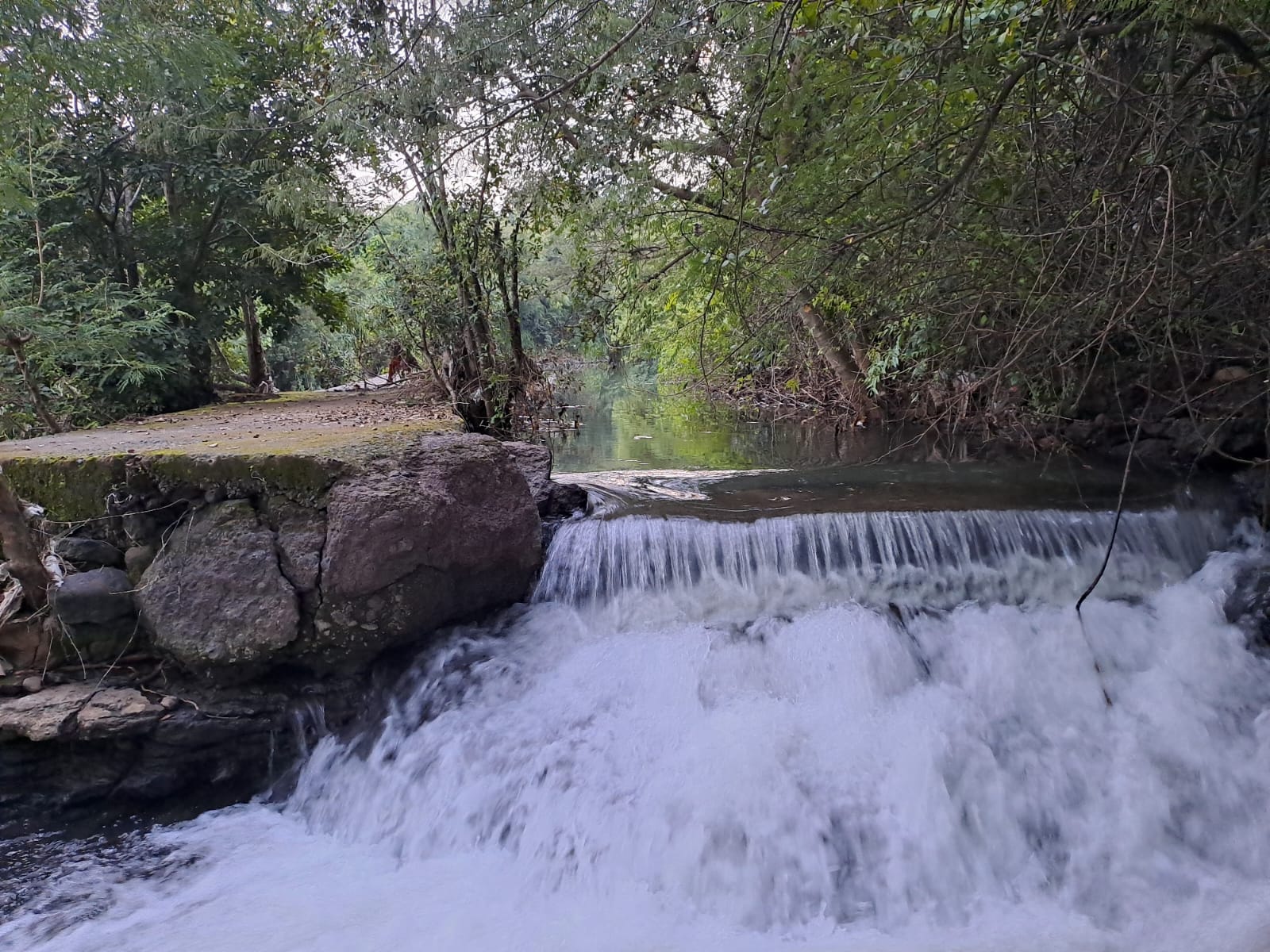
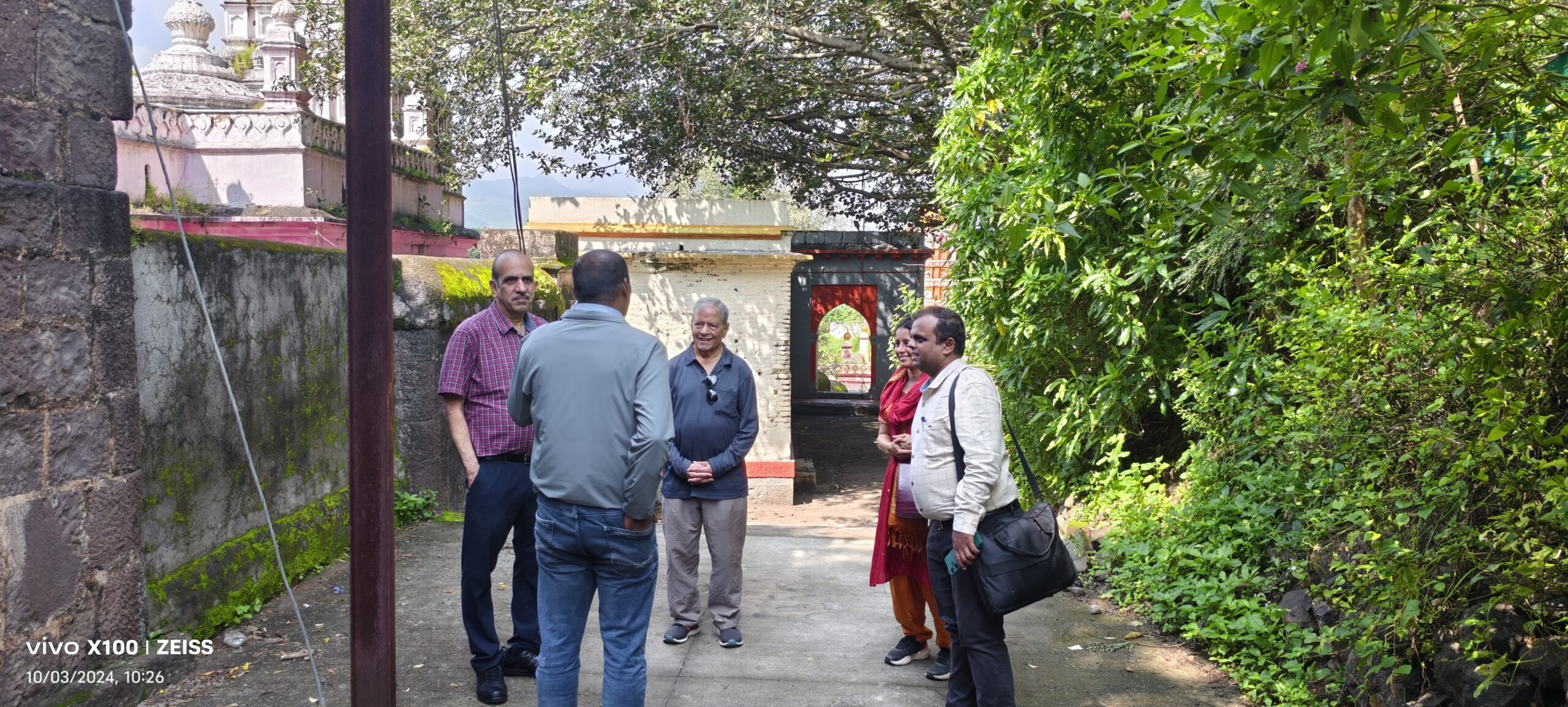
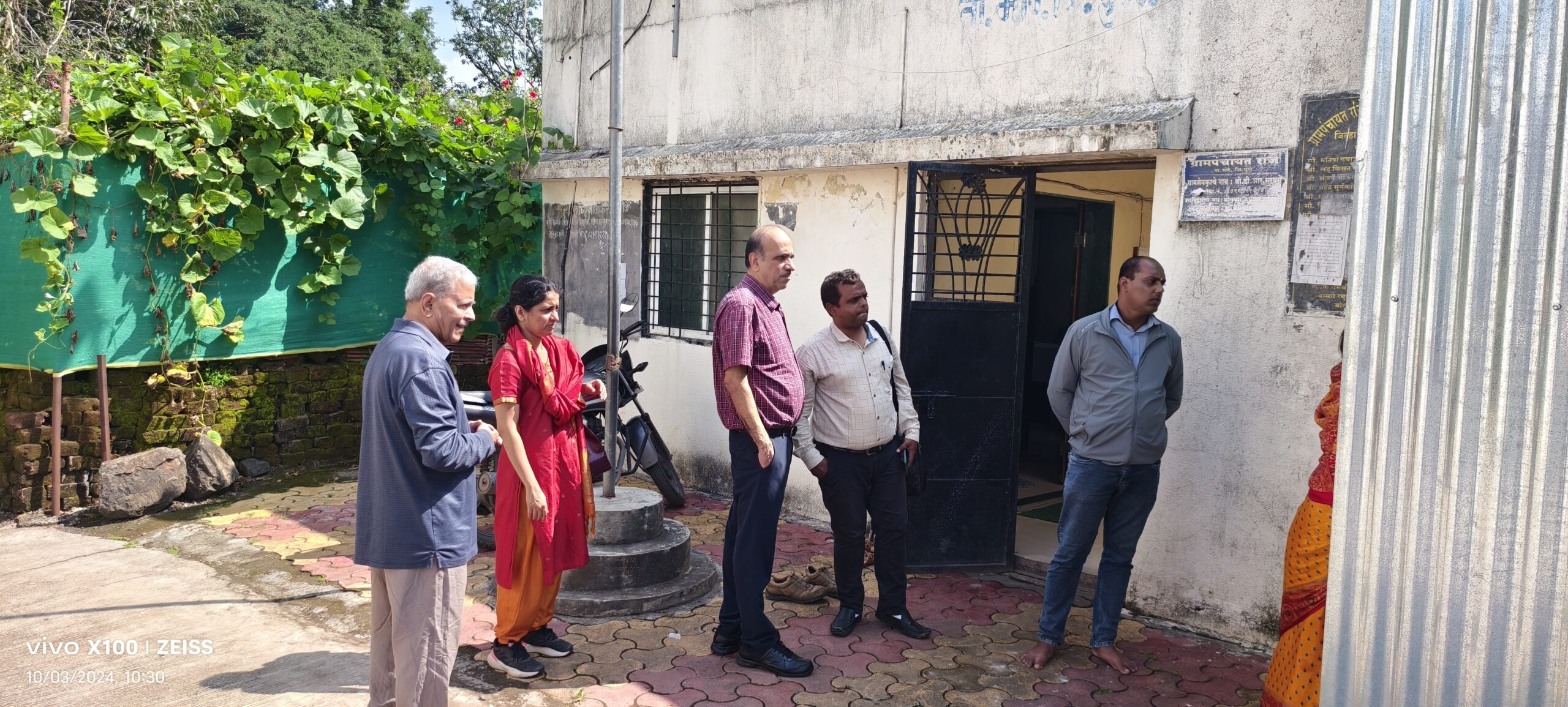
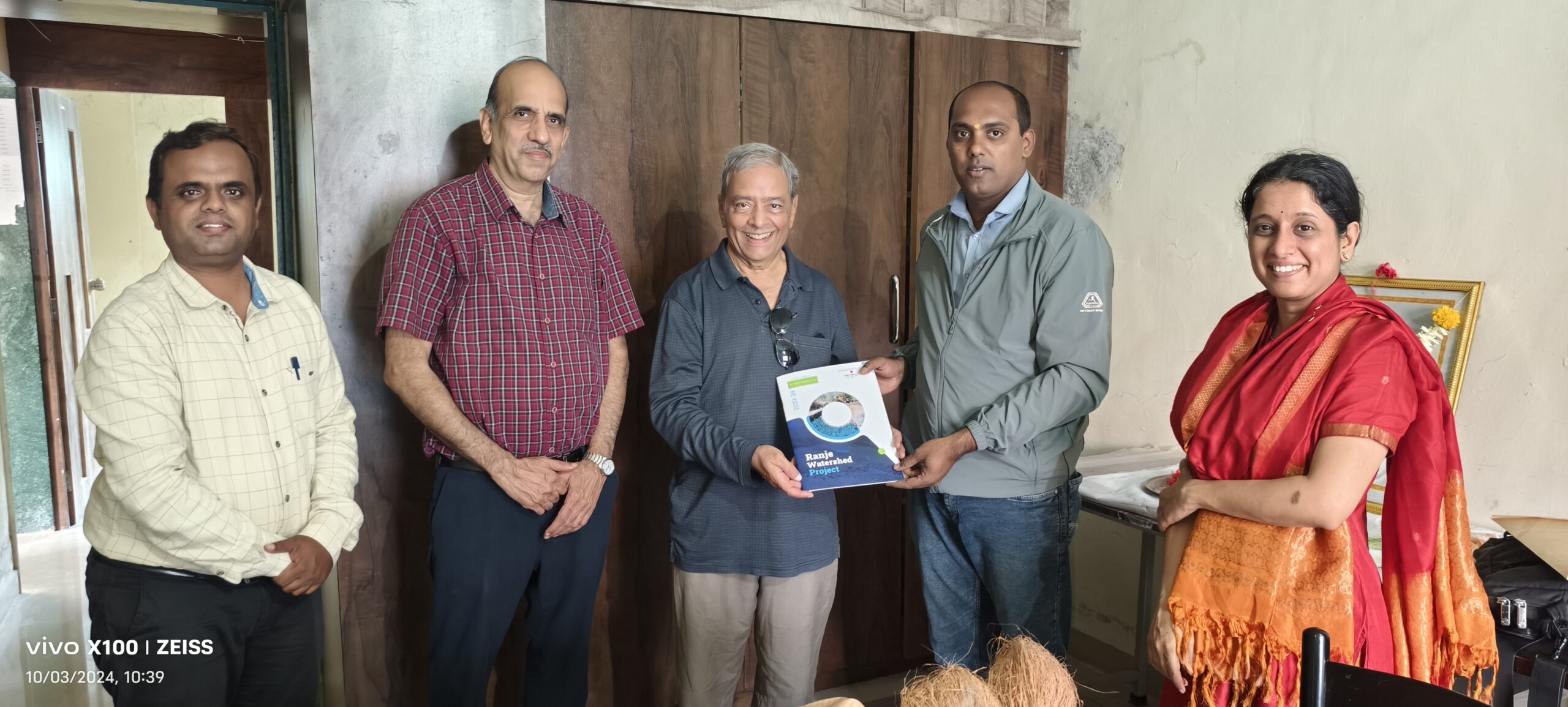
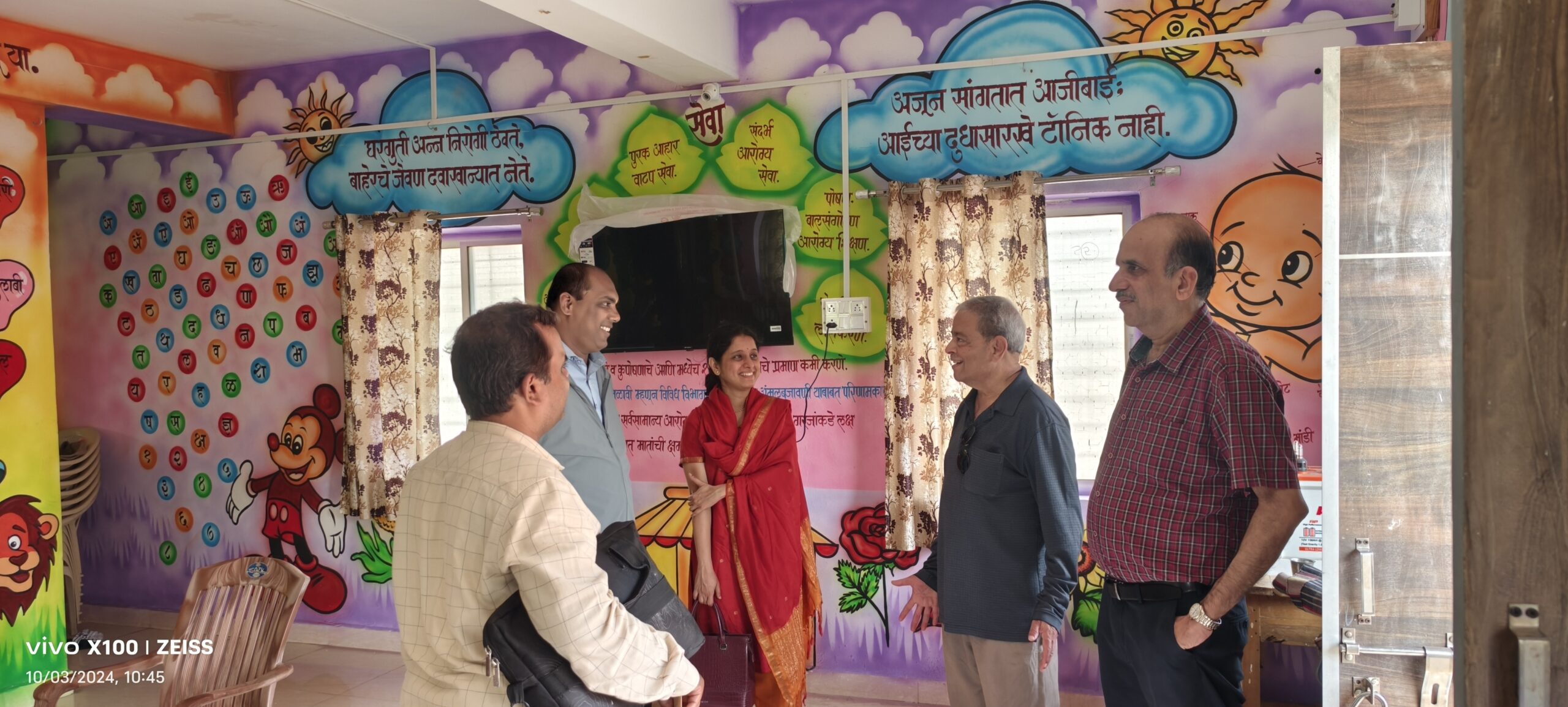
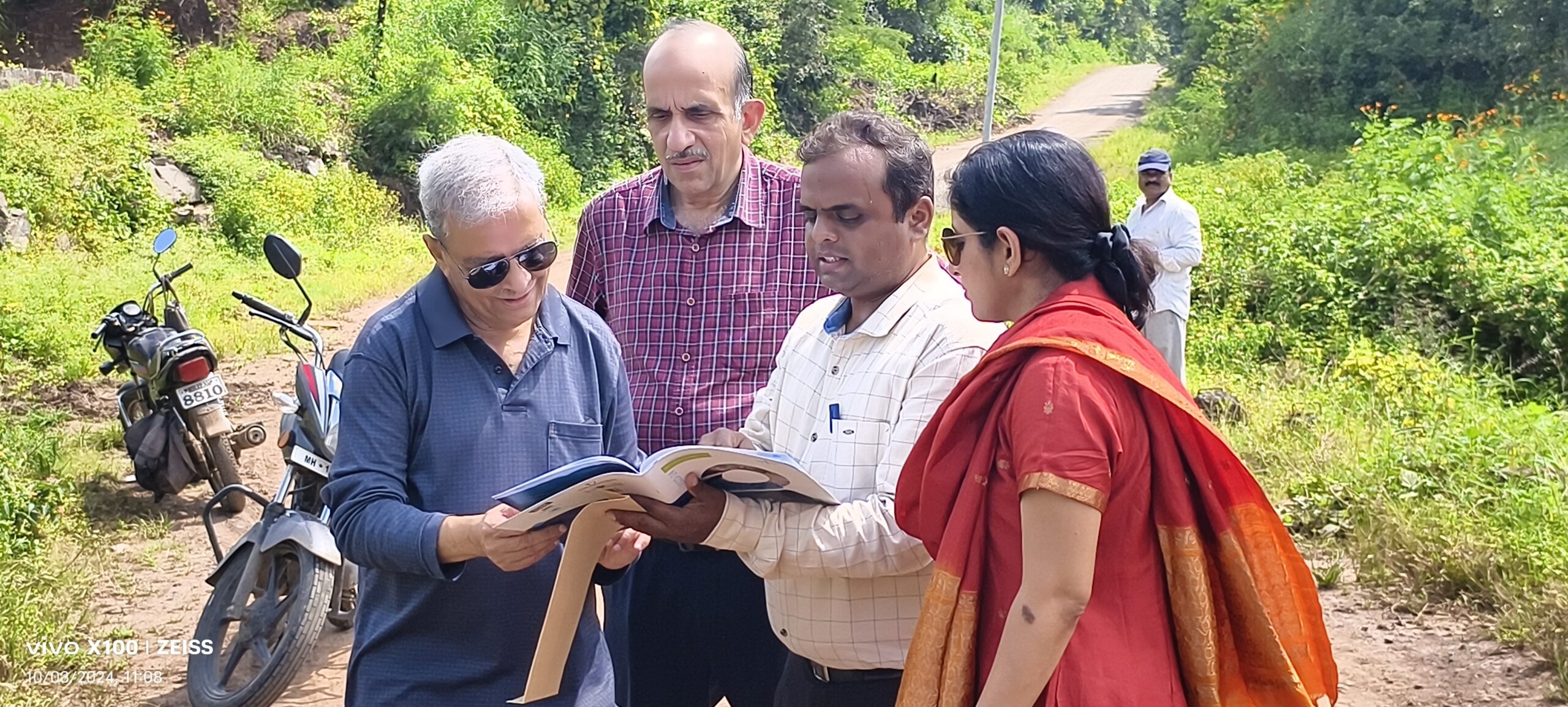
After Desilting work Completed Visit with Tulpule Sir, Site Results